
Embarking on the journey of buying or selling a home in Utah is an exciting, yet often complex, endeavor. Beyond the picturesque landscapes and vibrant communities, lies a critical layer of due diligence: the home inspection. This isn’t just a formality; it’s a deep dive into the health and safety of a property, revealing potential issues that could turn a dream home into a financial nightmare. From the integrity of the roof overhead to the hidden dangers of radon gas, understanding these essential elements is paramount for any Utah homeowner or prospective buyer.
This comprehensive guide will illuminate the essential things to know about home inspections in Utah, with a specific focus on prevalent issues such as roofing, sewer systems, and radon. We’ll explore the market landscape, delve into core strategies for identifying and addressing problems, and provide actionable advice supported by expert insights and real-world case studies. Prepare to navigate the intricacies of Utah’s real estate market with confidence, equipped with the knowledge to make informed decisions and protect your investment.
The Critical Role of Home Inspections in Utah
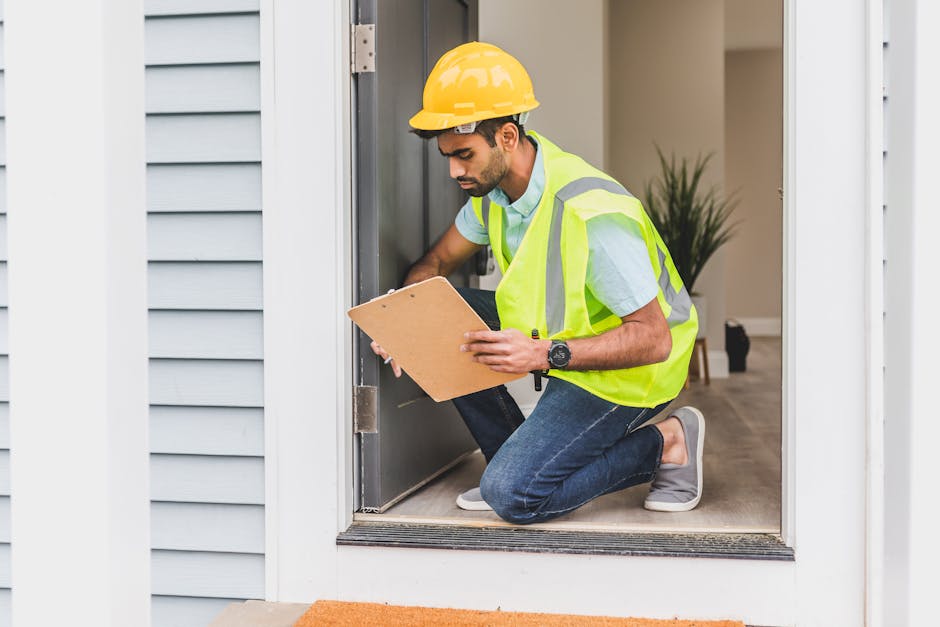
A home inspection in Utah serves as a vital safeguard for both buyers and sellers, offering an unbiased assessment of a property’s condition. It’s a snapshot in time, identifying significant defects and potential safety hazards that might not be apparent during a casual walkthrough. For buyers, it provides leverage in negotiations and peace of mind; for sellers, it can preemptively address issues, streamlining the sales process.
What a Standard Home Inspection Covers
A typical home inspection in Utah, much like elsewhere, is a visual examination of the home’s major systems and components. Inspectors follow a strict code of ethics and standards of practice, ensuring a thorough review. According to Liberty Home Guard, the national average home inspection cost as of August 2024 is approximately $484, with Utah prices generally falling within the $400-$600 range, depending on factors like home size and location.

Why Inspections are Essential for Utah Home Buyers
For buyers, a home inspection is an invaluable tool for understanding the true condition of their potential investment. It uncovers hidden problems that could lead to significant repair costs down the line. For instance, a seemingly minor roof leak could indicate extensive water damage or mold growth, issues that are costly to remediate. Without an inspection, buyers risk inheriting these problems, diminishing their home equity and increasing their financial burden.
Benefits of a Pre-Listing Inspection for Sellers
Sellers often overlook the advantages of a pre-listing inspection. By identifying and addressing issues before listing, sellers can avoid surprises during buyer inspections, potentially speeding up the sale and strengthening their negotiating position. It also demonstrates transparency and good faith, building trust with potential buyers. For example, proactively repairing a faulty HVAC system or addressing a minor plumbing leak can prevent delays and price reductions later.
The Scope of a Home Inspector’s Work
Home inspectors examine a wide array of components, from structural integrity to electrical systems. Their goal is to identify material defects that could affect the home’s safety, function, or value. This includes:
- Structural Components: Foundation, framing, walls, and ceilings.
- Exterior Elements: Roofing, siding, windows, doors, and drainage.
- Interior Systems: Walls, floors, ceilings, and built-in appliances.
- Plumbing System: Water supply, drain, waste, and vent systems, water heaters.
- Electrical System: Service entrance, panels, wiring, and outlets.
- Heating and Cooling Systems: Furnaces, air conditioners, and ductwork.
- Insulation and Ventilation: Attic, crawlspace, and general ventilation.
- Fireplaces and Chimneys: Visible components and structural integrity.
While inspectors are thorough, it’s crucial to remember they are generalists. For highly specialized concerns, such as detailed structural engineering assessments or extensive mold remediation plans, additional specialized inspections may be recommended.
| Metric | National Data (2024-2025) | Utah Specifics (Estimated) | Source |
|---|---|---|---|
| Average Home Inspection Cost | ~$484 (Aug 2024), $400-$600 typical in 2025 | Generally aligns with national average, $400-$600 | Spectora Market Update August 2024, Liberty Home Guard |
| Home Inspection Demand Trend | 20-60% drop nationally since 2020 | Likely reflects national trend, impacting local market | InspectorPro Insurance |
| Utah Building Inspection Completion Rate | N/A (National) | 96% within 3 days, often next-day | Utah OPLR 2024 Periodic Review |
| Active Real Estate Agents in Utah (2024) | N/A (National) | 18,777 | realestate.utah.gov 2025 Q1 |
Understanding Utah’s Unique Roofing Challenges
The roof is a home’s first line of defense against the elements, and in Utah, those elements can be particularly harsh. From heavy winter snowfalls to intense summer sun and occasional hailstorms, Utah’s climate presents unique challenges that can significantly impact roof longevity and performance. Understanding these factors is essential for any homeowner or prospective buyer.
Common Roofing Issues in Utah
Utah homes frequently encounter specific roofing problems due to weather patterns. These include:
- Ice Dams: Heavy snow followed by fluctuating temperatures can lead to ice dams, causing water to back up under shingles and into the home.
- Hail Damage: While not as frequent as other states, hailstorms can cause significant damage to shingles, leading to cracks and reduced lifespan.
- UV Degradation: The high altitude and intense sun in Utah can accelerate the breakdown of roofing materials, particularly asphalt shingles.
- Wind Damage: Strong canyon winds can lift and tear shingles, exposing the underlying structure to moisture.
- Improper Ventilation: Poor attic ventilation can trap heat and moisture, leading to premature roof aging and potential mold growth.

The Importance of a Thorough Roof Inspection
A standard home inspection includes a visual assessment of the roof, but for older homes or those with visible damage, a specialized roof inspection is highly recommended. As highlighted by a case study from InspectorPro Insurance, a home inspector who failed to detect a leaking roof led to significant water damage, mold, and electrical hazards, resulting in a $50,000 settlement. This underscores the critical need for thorough roof inspections.
What a roof inspection should cover:
- Shingle Condition: Checking for missing, cracked, curled, or blistering shingles.
- Flashing Integrity: Inspecting the metal flashing around chimneys, vents, and skylights for proper sealing.
- Gutters and Downspouts: Ensuring they are clear, properly sloped, and securely attached to manage water runoff effectively.
- Soffits and Fascia: Examining for rot, damage, or signs of animal intrusion.
- Attic Ventilation: Assessing the adequacy of attic ventilation to prevent heat and moisture buildup.
- Structural Components: Looking for sagging, unevenness, or other signs of underlying structural issues.
Advanced Techniques for Roof Assessment
Modern inspection techniques can provide a more in-depth analysis of roof health. Utah Property Inspectors, for example, offer advanced reporting features such as free infrared scanning. This technology can detect hidden moisture intrusion and insulation deficiencies that are invisible to the naked eye, providing a more comprehensive understanding of potential issues before they become major problems.
Preventative Measures and Maintenance
Regular maintenance is key to extending a roof’s lifespan in Utah. This includes:
- Annual Cleaning: Clearing gutters and downspouts of debris to ensure proper drainage.
- Shingle Repair: Promptly replacing any damaged or missing shingles to prevent water intrusion.
- Moss and Algae Removal: Treating any growth to prevent degradation of roofing materials.
- Attic Inspection: Periodically checking the attic for signs of leaks, condensation, or pest activity.
- Professional Inspections: Scheduling professional roof inspections every few years, especially after severe weather events.
Navigating Sewer Line Issues in Utah Properties
While often out of sight, a home’s sewer line is a critical component of its plumbing system. Issues with sewer lines can lead to costly repairs, unsanitary conditions, and significant disruption. In Utah, factors such as soil conditions, tree roots, and the age of infrastructure can contribute to a variety of sewer line problems that prospective homeowners should be aware of.
Common Sewer Line Problems in Utah Homes
Sewer line issues can range from minor blockages to complete system failures. Some of the most common problems encountered in Utah include:
- Tree Root Intrusion: Tree roots are naturally drawn to water and nutrients, often infiltrating small cracks in sewer pipes and causing blockages or structural damage.
- Pipe Corrosion and Deterioration: Older homes, particularly those built before the 1970s, may have cast iron or clay pipes that are prone to corrosion, cracking, and collapse over time.
- Bellied Pipes: A section of the sewer pipe can sink due to shifting soil or improper installation, creating a “belly” where waste and debris accumulate, leading to blockages.
- Blockages: Accumulation of grease, hair, non-flushable items, or foreign objects can cause severe clogs.
- Cracked or Broken Pipes: Ground movement, heavy vehicle traffic, or extreme temperature changes can cause pipes to crack or break, leading to leaks and potential sinkholes.
The Value of a Sewer Scope Inspection
A standard home inspection typically does not include a detailed examination of the sewer line, as it’s buried underground. This is where a specialized sewer scope inspection becomes invaluable. Using a camera threaded through the sewer line, an inspector can visually assess the pipe’s condition, identify blockages, cracks, root intrusion, and other defects. This can save buyers thousands of dollars in unexpected repairs. For instance, discovering a collapsed sewer line before purchase allows for negotiation or withdrawal from the sale.
Signs of Potential Sewer Line Problems
Even without a scope inspection, there are warning signs that could indicate underlying sewer issues:
- Slow Drains: Multiple drains in the house (sinks, tubs, toilets) are draining slowly.
- Frequent Clogs: Recurring clogs in toilets or drains, especially if they affect more than one fixture.
- Foul Odors: Persistent sewage odors emanating from drains or around the property.
- Gurgling Noises: Gurgling sounds coming from toilets or drains, indicating trapped air or blockages.
- Lush Patches in Yard: Unusually green or lush patches of grass in the yard, potentially indicating a leaking sewer line fertilizing the soil.
- Soggy Spots or Indentations: Wet, soggy areas or indentations in the lawn, suggesting a leak or collapse.
Addressing and Mitigating Sewer Line Issues
If a sewer scope inspection reveals issues, there are several remediation options, depending on the severity:
- Hydro-Jetting: For blockages and minor root intrusion, high-pressure water jets can clear the line.
- Pipe Relining: A trenchless method where a new liner is inserted into the existing pipe, curing in place to form a new pipe within the old one.
- Pipe Bursting: Another trenchless method where a new pipe is pulled through the old one, simultaneously breaking apart the old pipe.
- Traditional Excavation: For severely damaged or collapsed sections, excavation may be necessary to replace the affected pipe.
The cost of sewer line repairs can vary dramatically, from a few hundred dollars for a simple hydro-jetting to tens of thousands for full line replacement, making pre-purchase detection critical.
The Silent Threat: Radon Gas in Utah Homes
Radon is an invisible, odorless, and tasteless radioactive gas that naturally occurs from the breakdown of uranium in soil and rock. It can seep into homes through cracks in foundations, crawl spaces, and other openings. In Utah, certain geological formations mean that radon is a significant environmental concern, posing a serious health risk to residents. Understanding radon and its implications is an essential thing to know for any Utah homeowner.
What is Radon and Why is it Dangerous?
Radon is the leading cause of lung cancer among non-smokers and the second leading cause overall, according to the Environmental Protection Agency (EPA). When radon gas decays, it releases radioactive particles that can be inhaled and damage lung tissue, leading to cancer over time. Because it’s undetectable by human senses, testing is the only way to determine if a home has elevated levels.
Prevalence of Radon in Utah
Utah has areas with naturally high levels of radon. The Utah Department of Environmental Quality (DEQ) provides resources for understanding radon and real estate transactions in Utah, indicating its widespread concern. Many homes across the state, regardless of age or construction type, can have elevated radon levels. This makes radon testing a critical component of any comprehensive home inspection in Utah.
How Radon Testing Works
Radon testing is a simple and relatively inexpensive process. There are two main types of tests:
- Short-Term Tests: These typically last 2-7 days and are often used during real estate transactions due to their quick turnaround. Devices like charcoal canisters or alpha track detectors are placed in the lowest lived-in level of the home.
- Long-Term Tests: These tests last 90 days or more and provide a more accurate annual average of radon levels, as radon concentrations can fluctuate daily and seasonally.
The EPA recommends taking action to reduce radon levels if the result is 4 picocuries per liter (pCi/L) or higher. Many inspectors, like those at Advantage Home Inspection of Utah, emphasize environmental testing for radon as critical for family health.
Radon Mitigation Strategies
If a home tests high for radon, mitigation systems can effectively reduce levels to acceptable standards. Common mitigation techniques include:
- Sub-Slab Depressurization: This is the most common and effective method. A vent pipe is installed through the foundation floor into the soil beneath, connected to a fan that draws radon gas from under the house and vents it safely above the roofline.
- Sealing Foundation Cracks: Sealing visible cracks and openings in the foundation can help reduce radon entry, though it’s usually used in conjunction with other methods.
- Crawl Space Ventilation: For homes with crawl spaces, increasing ventilation or installing a vapor barrier can help.
- Heat Recovery Ventilators (HRV) / Energy Recovery Ventilators (ERV): These systems can bring fresh air into the home while recovering energy, helping to dilute radon levels.
House Inspect Pro’s Wayne Hensen is praised for calmly explaining remediation options for radon, meth, and lead paint risks, supporting smooth transactions without alarming buyers.
Radon and Real Estate Transactions
In Utah, radon testing is a common contingency in real estate contracts. If elevated levels are found, it often becomes a point of negotiation between buyers and sellers. Sellers may agree to install a mitigation system, offer a credit for mitigation, or buyers may choose to proceed with the understanding that they will address the issue post-purchase. It’s an essential thing to know that radon mitigation is a proven solution, and its presence shouldn’t necessarily deter a home purchase, provided the issue is addressed.
Beyond the Basics: Structural and Foundation Concerns
While roof, sewer, and radon issues are critical, the underlying structural integrity and foundation of a home are arguably the most fundamental aspects of its long-term stability and safety. In Utah, varying soil conditions, seismic activity, and expansive clay soils can contribute to significant structural and foundation problems. Identifying these issues early is essential to prevent catastrophic damage and costly repairs.
Common Structural and Foundation Issues in Utah
Utah homes can experience a range of structural and foundation problems, often linked to environmental factors:
- Expansive Clay Soils: Many areas in Utah have expansive clay soils that swell when wet and shrink when dry. This constant movement can put immense pressure on foundations, leading to cracks and shifting.
- Settlement: All homes settle over time, but uneven or excessive settlement can indicate underlying soil problems or improper foundation construction, leading to structural instability.
- Foundation Cracks: While small hairline cracks are common, larger, horizontal, or stair-step cracks can signal serious foundation movement or structural stress.
- Water Intrusion: Poor drainage around the foundation can lead to water accumulation, causing hydrostatic pressure, basement leaks, and potential damage to the foundation walls.
- Seismic Activity: Utah is in an active seismic zone. While modern homes are built to code, older homes may be more vulnerable to earthquake damage, which can manifest as structural cracks or shifting.
What a Structural Inspection Entails
A standard home inspection will note visible signs of structural distress. However, if significant issues are suspected, a specialized structural engineer or foundation inspection company, like Ram Jack® Utah, should be consulted. These experts conduct a more in-depth analysis, which may include:
- Exterior Assessment: Examining foundation walls, brickwork, and siding for cracks, bowing, or leaning.
- Interior Assessment: Inspecting basement or crawl space walls, floors, and ceilings for cracks, water stains, or signs of movement.
- Floor Levelness: Using specialized tools to check for uneven floors, which can indicate foundation settlement.
- Door and Window Operation: Observing if doors and windows stick or have uneven gaps, a common sign of structural shifting.
- Roofline and Framing: Assessing the roofline for sagging and examining visible framing in attics or crawl spaces for damage or improper construction.
The Long-Term Impact of Unaddressed Issues
Ignoring structural or foundation problems can have severe consequences, leading to:
- Decreased Property Value: Significant structural defects can drastically reduce a home’s market value and make it difficult to sell.
- Safety Hazards: Compromised structural integrity can pose serious safety risks to occupants, including potential collapses.
- Exacerbated Problems: Minor issues can quickly escalate into major, more expensive repairs if left unaddressed.
- Water Damage and Mold: Foundation cracks often lead to water intrusion, fostering mold growth and further damage to interior finishes.
- Difficulty Obtaining Insurance: Some insurance providers may refuse coverage or charge higher premiums for homes with known structural issues.
Remediation and Prevention Strategies
Addressing structural and foundation issues often requires specialized expertise. Common solutions include:
- Foundation Repair: Methods like piering, underpinning, or slab jacking can stabilize and lift settling foundations.
- Drainage Improvements: Installing French drains, grading the landscape away from the foundation, and ensuring proper gutter systems can prevent water accumulation.
- Crack Repair: Injecting epoxy or polyurethane into cracks can seal them and prevent further water intrusion, though it may not address the underlying cause of the crack.
- Retaining Walls: For properties on slopes, retaining walls can help manage soil movement and protect the foundation.
Early detection through comprehensive inspections is the most cost-effective way to manage these potentially devastating problems.
The Importance of Environmental Testing in Utah
Beyond the visible structural and mechanical components of a home, the indoor environment plays a crucial role in the health and well-being of its occupants. In Utah, specific environmental factors necessitate additional testing beyond a standard home inspection. These tests can uncover hidden hazards that impact air quality, water safety, and overall habitability, making them an essential thing to know for any home buyer.
Key Environmental Concerns in Utah Homes
Utah’s unique geography and history present several environmental considerations for homeowners:
- Radon: As discussed, radon gas is a significant concern across many regions of Utah due to natural geological formations.
- Mold: While Utah is generally dry, leaks, poor ventilation, or past water damage can lead to mold growth, which can cause respiratory issues and allergic reactions.
- Asbestos: Older homes (built before 1980) may contain asbestos in insulation, flooring, or other building materials. If disturbed, asbestos fibers can become airborne and pose a serious health risk.
- Lead-Based Paint: Homes built before 1978 often contain lead-based paint. Chipping or deteriorating lead paint can be a hazard, especially for young children.
- Methamphetamine Contamination: Unfortunately, some properties in Utah have been used as clandestine methamphetamine labs, leaving behind toxic residues that require specialized cleanup.

Types of Environmental Tests and Their Purpose
Specialized environmental testing provides detailed insights into these potential hazards:
- Radon Testing: Measures the concentration of radon gas in the home’s air.
- Mold Testing: Identifies the presence and type of mold, often through air samples or surface swabs.
- Asbestos Testing: Involves taking samples of suspected materials for laboratory analysis.
- Lead-Based Paint Testing: Uses X-ray fluorescence (XRF) devices or paint chip samples to detect lead.
- Methamphetamine Contamination Testing: Swab samples are taken from surfaces and analyzed for meth residue.
Advantage Home Inspection of Utah emphasizes the importance of environmental testing for families, specifically mold and radon detection, stating that protecting your home’s environment is critical to family health.
When to Consider Environmental Testing
While some tests, like radon, are routinely recommended in Utah, others may be triggered by specific circumstances:
- Age of Home: Homes built before 1978 for lead paint, and before 1980 for asbestos.
- Visible Signs: Water stains, musty odors, or visible mold growth warrant mold testing.
- Previous Occupancy: If there’s any suspicion of a property being used for illegal activities (e.g., meth production).
- Health Concerns: If occupants experience unexplained respiratory issues or allergies.
- Renovation Plans: Before disturbing materials in older homes, testing for asbestos and lead paint is crucial.
Mitigation and Remediation of Environmental Hazards
If environmental hazards are detected, professional remediation is typically required:
- Radon: Sub-slab depressurization systems are highly effective.
- Mold: Professional mold remediation involves containment, removal of contaminated materials, and cleaning.
- Asbestos: Abatement by certified professionals is necessary to safely remove or encapsulate asbestos-containing materials.
- Lead-Based Paint: Encapsulation, enclosure, or removal by lead-safe certified contractors.
- Meth Contamination: Specialized cleaning and decontamination by certified professionals are essential to render the property safe for occupancy.
The costs associated with environmental remediation can be substantial, reinforcing the value of pre-purchase testing. House Inspect Pro’s Wayne Hensen is known for providing clear explanations of remediation options without scaring buyers, which is particularly helpful for sensitive issues like meth and lead paint risks.
Choosing the Right Home Inspector in Utah
The quality of your home inspection hinges entirely on the expertise and integrity of the inspector you choose. In a market like Utah, where specific environmental and structural challenges exist, selecting a qualified and experienced professional is an essential thing to know. A thorough inspector can save you from significant future expenses and provide invaluable peace of mind.
What to Look for in a Utah Home Inspector
When selecting a home inspector, consider these crucial factors:
- Certifications and Credentials: Look for inspectors certified by reputable organizations like InterNACHI (International Association of Certified Home Inspectors) or ASHI (American Society of Home Inspectors). These certifications indicate adherence to industry standards and ongoing education. Safe & Sound Home Inspection in Sandy, UT, for example, highlights their AHIT-certified inspectors.
- Experience: An inspector with years of experience in Utah’s specific housing market will have a better understanding of local building codes, common issues, and environmental factors. Advantage Home Inspection of Utah boasts over 28 years of experience.
- Insurance: Ensure the inspector carries both Errors & Omissions (E&O) and general liability insurance. This protects both you and the inspector in case of a missed defect or accident.
- Specialized Services: If you have specific concerns (e.g., radon, sewer, mold), confirm the inspector offers or can arrange these ancillary services. Brighton Home Inspections offers tailored inspection options including radon.
- Sample Reports: Ask to see a sample inspection report. A good report should be comprehensive, easy to understand, include photos, and clearly outline findings and recommendations.
Questions to Ask Potential Inspectors
Before hiring, engage in a thorough conversation with potential inspectors. Here are some essential questions:
- “What are your qualifications and certifications?” This verifies their training and adherence to professional standards.
- “How long have you been inspecting homes in Utah?” Local experience is invaluable for understanding regional issues.
- “What is included in your standard inspection, and what ancillary services do you offer (e.g., radon, sewer scope)?” Clarifies the scope of work and potential additional costs.
- “Can I see a sample report?” Helps you understand their reporting style and level of detail.
- “What is your fee structure, and what payment methods do you accept?” Ensures transparency regarding costs.
- “How long will the inspection take, and when can I expect the report?” Sets expectations for timing.
- “Do you carry E&O and general liability insurance?” Confirms their professional coverage.
The Value of Local Expertise
Local expertise is not just a preference; it’s a necessity in Utah. An inspector familiar with the region will understand:
- Geological Risks: Knowledge of local soil conditions, seismic zones, and radon hot spots.
- Building Codes: Familiarity with Utah-specific building codes and regulations.
- Common Local Issues: Awareness of prevalent problems in different neighborhoods or types of construction within Utah.
- Climate Impact: Understanding how Utah’s climate affects roofing, foundations, and other exterior components.
Brighton Home Inspections, serving Salt Lake City and Ogden, emphasizes their extensive training and third-party testing expertise, reflecting a deep understanding of local needs.
Red Flags to Watch Out For
Be wary of inspectors who:
- Offer to perform repairs on the home they are inspecting (a conflict of interest).
- Quote unusually low prices, which might indicate a less thorough inspection.
- Are unwilling to answer questions or provide sample reports.
- Pressure you to waive certain inspections or rush the process.
- Lack proper certifications or insurance.
Choosing the right inspector is an investment in your future home’s health and your peace of mind.
Real Estate Trends and Inspection Demand in Utah
The real estate market is dynamic, and Utah’s housing landscape is no exception. Understanding current trends, including the demand for home inspections, provides crucial context for buyers and sellers. These insights are essential things to know for navigating the market effectively and making strategic decisions regarding property transactions.
Current State of Utah’s Real Estate Market
Utah’s housing market has experienced significant fluctuations. While specific 2025 data is still emerging, reports like the Utah Housing Market Crisis? Comprehensive Real Estate Update July 2025 indicate ongoing discussions about market stability. Factors such as interest rates, inventory levels, and population growth continue to influence home values and sales activity across the state.

Impact of Market Trends on Inspection Demand
The demand for home inspections is closely tied to the overall health of the housing market. According to InspectorPro Insurance, demand for home inspections in the US has dropped 20-60% since 2020. This national trend likely reflects in Utah, where a cooler market might lead to fewer transactions and, consequently, fewer inspections. However, in a buyer’s market, inspections become even more critical as buyers have more leverage to request repairs or concessions based on inspection findings.
Efficiency of Utah’s Building Inspection Process
Despite market fluctuations, Utah maintains a relatively efficient building inspection process for new construction and renovations. A 2024 report from the Utah Office of the Property or Local Review (OPLR) found that 96% of municipalities in Utah completed building inspections within the mandated three-day period, with many performing next-day inspections. This efficiency, while primarily for municipal building codes, suggests a well-structured regulatory environment that can indirectly support the timeliness of private home inspections.
Role of Real Estate Professionals
Utah’s real estate landscape is supported by a large professional base. As of 2024, Utah had 18,777 active sales agents and 2,477 principal brokers, according to realestate.utah.gov. These professionals play a crucial role in advising clients on the importance of home inspections and connecting them with qualified inspectors. Their guidance is essential for navigating the complexities of property transactions, especially when significant issues like roof, sewer, or radon are discovered.
Consumer Protection and Regulatory Oversight
The presence of a robust real estate professional community also comes with regulatory oversight. In 2024, there were 539 real estate complaints received and 636 open cases in Utah, as reported by realestate.utah.gov. These complaints can sometimes stem from disputes related to home inspection issues, defects found in properties, or disclosure problems. This highlights the importance of thorough inspections and clear communication to protect consumers and ensure fair transactions.
Legal and Financial Implications of Inspection Findings
The findings of a home inspection can have significant legal and financial ramifications for both buyers and sellers in Utah. Understanding these implications is an essential thing to know, as they can influence negotiations, contractual obligations, and long-term financial commitments. Navigating these aspects requires careful consideration and often, professional advice.
Negotiating After a Home Inspection
Once an inspection report is delivered, buyers typically have a contractual period to review the findings and decide how to proceed. Common options include:
- Requesting Repairs: Buyers can ask the seller to repair specific defects identified in the report.
- Requesting Credits: Instead of repairs, buyers might ask for a credit at closing to cover the cost of future repairs.
- Adjusting the Purchase Price: In some cases, buyers may negotiate a reduction in the purchase price.
- Withdrawing from the Contract: If major issues are discovered and no agreeable solution can be reached, the buyer may choose to terminate the purchase agreement, often with their earnest money returned, depending on the contract terms.
The strength of these negotiations often depends on the severity of the issues and the current market conditions (buyer’s vs. seller’s market).
Seller Disclosure Requirements in Utah
Utah law requires sellers to disclose known material defects about their property. This typically involves completing a Seller’s Property Condition Disclosure Form. While an inspection report reveals current conditions, the disclosure form covers the seller’s historical knowledge of the property. Failure to disclose known issues can lead to legal action by the buyer after closing. For example, if a seller knew about a recurring sewer backup but failed to disclose it, they could be held liable.
Financial Impact of Major Defects
Discovering major defects like a compromised roof, a collapsed sewer line, or high radon levels can have substantial financial implications:
- Roof Replacement: Can range from $5,000 to $20,000+, depending on size, materials, and complexity.
- Sewer Line Repair/Replacement: Costs can vary widely, from a few hundred for minor clogs to $10,000-$25,000+ for full line replacement, especially if excavation is required.
- Radon Mitigation: Typically ranges from $800 to $2,500, depending on the system and home characteristics.
- Foundation Repair: Can be the most expensive, often starting at $5,000 and potentially reaching $50,000 or more for severe issues.
These costs highlight why a thorough inspection is a small investment compared to potential future expenses.
Legal Protections and Recourse
Both buyers and sellers have legal protections. For buyers, the inspection contingency in the purchase agreement is their primary safeguard. If a seller fails to disclose known material defects, buyers may have grounds for a lawsuit post-closing. For sellers, providing a comprehensive disclosure and addressing reasonable repair requests can mitigate future legal risks. The case study of a home inspector missing a leaking roof, leading to a $50,000 settlement, underscores the legal ramifications when defects are overlooked or mismanaged, as detailed by InspectorPro Insurance.
The Role of Home Warranties
While not a substitute for a home inspection, a home warranty can provide a layer of financial protection against unexpected repairs to major systems and appliances after closing. These warranties typically cover the repair or replacement of items like HVAC systems, plumbing, and electrical components that fail due to normal wear and tear. They can be particularly valuable for older homes or for buyers who want an extra buffer against unforeseen expenses in the first year of ownership.
Proactive Home Maintenance and Post-Inspection Steps
A home inspection is not the end of the journey; rather, it’s a critical starting point for informed homeownership. Understanding the findings and taking proactive steps for maintenance and addressing identified issues is an essential thing to know for protecting your investment and ensuring the long-term health of your Utah home. This section provides actionable advice for post-inspection life.
Creating a Home Maintenance Schedule
Based on your inspection report, develop a personalized home maintenance schedule. This should include:
- Seasonal Checks: Inspecting gutters, roof, and exterior drainage in spring and fall.
- Monthly Tasks: Checking smoke detectors, cleaning filters, and looking for leaks.
- Annual Tasks: Servicing HVAC systems, inspecting water heaters, and checking for pest activity.
- Long-Term Planning: Budgeting for major replacements like roofs (typically 20-30 years) and water heaters (10-15 years).
Regular maintenance can prevent small issues from becoming costly repairs and extend the lifespan of your home’s components.
Prioritizing Repairs and Upgrades
Not all inspection findings require immediate action. Prioritize repairs based on:
- Safety Hazards: Electrical issues, gas leaks, structural instability, and high radon levels should be addressed immediately.
- Health Concerns: Mold growth, lead paint, or asbestos that poses a risk.
- System Failures: Non-functioning HVAC, water heater, or major plumbing issues.
- Preventative Maintenance: Addressing minor roof damage or drainage issues to prevent larger problems.
- Cosmetic Issues: These can be addressed at your leisure or as budget allows.
Consult with contractors and specialists to get accurate estimates and understand the urgency of each repair.
Finding Qualified Contractors in Utah
When it comes to repairs, especially for significant issues like roof, sewer, or foundation problems, hiring qualified and reputable contractors is paramount.
- Get Multiple Bids: Obtain at least three quotes for any major repair to compare pricing and scope of work.
- Check Licenses and Insurance: Ensure contractors are licensed and insured in Utah.
- References and Reviews: Ask for references and check online reviews (e.g., Google, BBB, Angie’s List).
- Written Contracts: Always get a detailed written contract outlining the scope of work, materials, timeline, and payment schedule.
- Permits: For major structural, electrical, or plumbing work, ensure the contractor obtains necessary permits from the local municipality.
Leveraging Technology for Home Management
Modern technology can assist in post-inspection home management. Many inspection companies, like Utah Property Inspectors, offer cloud-based report access for up to 10 years, allowing homeowners to easily reference findings and track repairs. Additionally, smart home devices can monitor for leaks, radon levels, and energy efficiency, providing real-time data and alerts.
Continuous Learning and Resources
Homeownership is an ongoing learning process. Stay informed about local building codes, energy efficiency upgrades, and potential environmental hazards in your area. Resources from the Utah Department of Environmental Quality, local real estate associations, and reputable home inspection companies can provide valuable insights and guidance for maintaining your Utah home.
Frequently Asked Questions (FAQ)
How do I choose the best home inspector in Utah?
To choose the best home inspector in Utah, prioritize those with certifications from recognized organizations like InterNACHI or ASHI, significant local experience, and comprehensive insurance. Always request sample reports and inquire about their specialized services for issues like radon or sewer scopes to ensure they meet your specific needs.
- Verify Certifications: Look for InterNACHI or ASHI certified inspectors.
- Check Local Experience: Ensure they have a deep understanding of Utah’s specific building codes and environmental factors.
- Review Sample Reports: Assess the clarity and detail of their reports.
- Confirm Insurance: Ensure they carry both E&O and general liability insurance.
- Ask for References: Speak to past clients about their experience.
What are the most common roofing problems in Utah homes?
The most common roofing problems in Utah homes include ice dams from heavy snow, hail damage, accelerated UV degradation due to high altitude, wind damage, and issues stemming from improper attic ventilation. These are often linked to Utah’s diverse and sometimes harsh climate, which can stress roofing materials.
Key roofing issues to watch for:
- Ice Dams: Caused by melting and refreezing snow.
- Hail Damage: Leads to cracks and granule loss on shingles.
- UV Degradation: Sun exposure breaks down materials over time.
- Wind Damage: Can lift and tear shingles, especially along edges.
- Poor Ventilation: Traps heat and moisture, shortening roof life.
Why should I get a sewer scope inspection in Utah?
You should get a sewer scope inspection in Utah because it can reveal hidden, costly problems like tree root intrusion, cracked pipes, or blockages that a standard home inspection won’t catch. This preventative measure can save homeowners thousands of dollars in unexpected repairs and is particularly important for older homes or those with mature trees.
Benefits of a sewer scope inspection:
- Identifies Tree Root Intrusion: Prevents major blockages and pipe damage.
- Detects Pipe Damage: Uncovers cracks, collapses, or corrosion in pipes.
- Avoids Costly Repairs: Allows for negotiation or withdrawal from sale if major issues are found.
- Provides Peace of Mind: Ensures the home’s critical plumbing system is functioning correctly.
- Essential for Older Homes: Older infrastructure is more prone to sewer line issues.
When should I test for radon in a Utah home?
You should test for radon in a Utah home during the due diligence period of a real estate transaction, or if you are a homeowner, every few years, especially if you haven’t tested before or after significant renovations. Utah has naturally high radon levels in many areas, making testing a critical health precaution for all residents.
Key times for radon testing:
- During Real Estate Transactions: Often a contingency for buyers.
- After Home Renovations: Changes to the home can affect radon entry points.
- Every 2-5 Years: Recommended for all homes, even if previous tests were low.
- If You’ve Never Tested: Essential for understanding your home’s risk.
- Before Occupying a New Home: Ensures a safe living environment from the start.
What is the average cost of a home inspection in Utah?
The average cost of a home inspection in Utah typically ranges from $400 to $600, aligning with the national average of around $484 as of August 2024. This price can vary based on the home’s size, age, location, and whether specialized ancillary inspections like radon or sewer scopes are included.
Are home inspectors regulated in Utah?
Yes, home inspectors in Utah are regulated. While regulation intensity varies nationally, Utah is among the states that regulate building inspectors to some extent, ensuring a level of professional standard and accountability. This oversight helps protect consumers by requiring inspectors to meet certain qualifications.
What are the signs of a failing foundation in a Utah home?
Signs of a failing foundation in a Utah home include large or stair-step cracks in foundation walls, uneven or sagging floors, sticking doors and windows, cracks in interior walls or ceilings, and exterior brickwork or siding that appears to be bowing or leaning. These issues often stem from expansive soils or uneven settlement.
How can I mitigate high radon levels in my home?
You can mitigate high radon levels in your home primarily through sub-slab depressurization systems, which use a fan and vent pipe to draw radon from beneath the foundation and expel it safely outdoors. Sealing foundation cracks and improving crawl space ventilation can also help, often in conjunction with a depressurization system.
What should I do if my home inspection reveals major issues?
If your home inspection reveals major issues, you should first consult with your real estate agent to understand your contractual options. You can typically negotiate with the seller for repairs, a credit at closing, or a price reduction. In cases of severe, unresolvable issues, you may have the option to withdraw from the purchase agreement.
Is environmental testing for mold or meth common in Utah?
Environmental testing for mold and methamphetamine contamination is becoming increasingly common and recommended in Utah, especially under certain circumstances. Mold testing is advised if there are signs of water damage or musty odors, while meth testing is crucial if there’s any suspicion a property was used as a clandestine drug lab, given the unfortunate history of such incidents in the state.
How often should I have my roof inspected in Utah?
You should have your roof inspected professionally every 3-5 years in Utah, and always after any severe weather events like heavy hailstorms or strong winds. Regular inspections help identify minor issues before they escalate, prolonging your roof’s lifespan and preventing costly water damage to your home’s interior.
What are the legal disclosure requirements for sellers in Utah?
In Utah, sellers are legally required to disclose known material defects about their property to potential buyers. This is typically done through a Seller’s Property Condition Disclosure Form, which covers various aspects of the home’s condition, including structural integrity, systems, and environmental hazards. Failure to disclose known issues can lead to legal repercussions.
Can a home warranty cover issues found during an inspection?
Generally, a home warranty does not cover issues that were known or discoverable during a home inspection before the warranty was purchased. Home warranties are designed to cover the repair or replacement of major systems and appliances that fail due to normal wear and tear after the closing date, not pre-existing conditions. It’s crucial to address inspection findings directly with the seller.
How does Utah’s climate affect home components?
Utah’s climate, characterized by heavy snow, intense summer sun, and varying temperatures, significantly affects home components. This leads to issues like ice dams and UV degradation on roofs, expansive soil movement impacting foundations, and the need for robust HVAC systems. Understanding these climatic impacts is essential for effective home maintenance and inspection.
What are the benefits of a pre-listing inspection for sellers?
A pre-listing inspection benefits sellers by identifying and allowing them to address potential issues before listing their home, which can lead to a smoother, faster sale. It provides transparency, builds buyer trust, and can strengthen the seller’s negotiating position by preventing unexpected surprises during the buyer’s inspection.
Conclusion
Navigating the complexities of buying or selling a home in Utah requires a keen understanding of its unique challenges, particularly concerning home inspections, roofing, sewer systems, and the pervasive threat of radon. This guide has illuminated the essential things to know, from the critical role of a thorough inspection to the specific environmental and structural concerns prevalent in the Beehive State. By prioritizing comprehensive inspections, understanding potential hazards, and engaging with qualified professionals, both buyers and sellers can make informed decisions that protect their investments and ensure peace of mind.
The journey of homeownership is continuous, extending far beyond the closing date. Armed with knowledge about proactive maintenance, the importance of environmental testing, and the legal and financial implications of inspection findings, Utah homeowners can safeguard their properties and foster healthy, secure living environments. Remember, a well-inspected home is a well-protected investment, contributing to the enduring charm and stability of Utah’s vibrant communities.
Authored by Content Expert, Subject matter expert at Publisher.